Thrift Smarter, Not Longer: Your Real-World Guide to Scoring Secondhand Gold
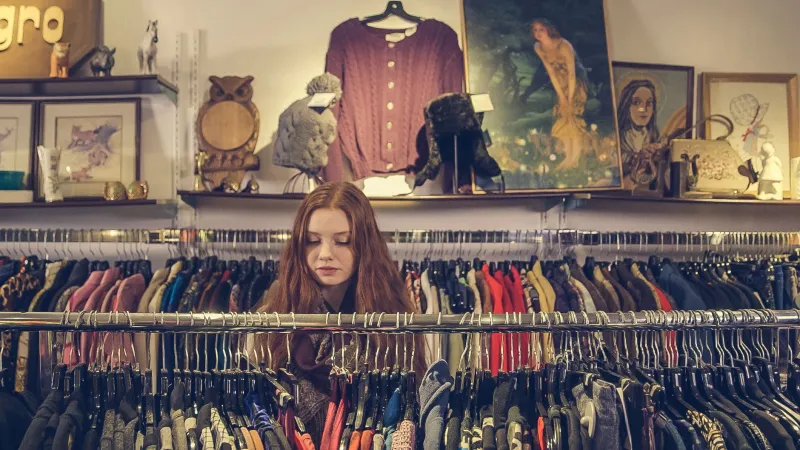
Let's be honest: the romanticized version of thrifting — where you walk into a Goodwill and immediately pull a vintage Chanel blazer off the rack — doesn't happen by accident. The people who consistently find great secondhand pieces aren't just lucky. They're strategic. They know what to look for, where to look, and when to walk away. And they've usually put in enough time to develop an eye that cuts through the noise fast.
The good news? That skill is entirely learnable. Here's how to stop wasting Saturdays digging through racks and start actually building something with what you find.
Know Before You Go
The single biggest mistake casual thrifters make is walking in without a direction. When everything is potentially interesting, nothing is. You end up buying things that are "kind of cute" rather than things that genuinely belong in your life — and those pieces sit in your closet with the tags still on them, which is a different kind of waste.
Before your next thrift run, spend ten minutes thinking about what your wardrobe actually needs. Not what would be fun to find — what would solve a real gap. Are you short on workwear? Looking for a quality winter coat? Trying to find more interesting denim? Going in with even one or two specific targets focuses your eye and saves you from the kind of impulse buys that feel good in the store and confusing at home.
This is especially true if you're shopping online. Platforms like Poshmark, Depop, ThredUp, and eBay can be incredible resources, but they're also bottomless pits if you don't arrive with search terms in mind. Get specific: "vintage Levi's 501 women's 28" will serve you infinitely better than browsing "jeans."
The Quality Check That Takes 60 Seconds
Learning to assess garment quality quickly is the skill that separates a good thrifter from a great one. You don't need to be a textile expert — you just need a short checklist.
Check the seams first. Turn the piece inside out and look at how it's constructed. Tight, even stitching with finished edges is a good sign. Loose threads, uneven lines, or raw edges that are already fraying tell you something about how it was made and how long it'll last.
Feel the fabric. Natural fibers — wool, cotton, silk, linen — generally hold up better over time and feel different to the touch than polyester blends. This isn't a hard rule, but it's a useful starting point.
Look at high-wear spots. Collar edges, cuffs, underarms, and the inner thighs of pants tell the real story of how a piece has been lived in. Pilling, thinning fabric, or permanent staining in these areas means the item has probably given most of what it had.
Check the hardware. Zippers, buttons, and clasps on a quality piece feel substantial. If the zipper is already struggling or a button is hanging by a thread, factor in whether you're actually going to fix it — or be honest that you won't.
Red Flags Worth Walking Away From
Not every find is worth the price, even when that price is five dollars. Permanent odors (especially smoke or mildew) are almost impossible to fully remove. Structural damage — stretched-out knits, broken closures, significant fading — rarely photographs as bad as it actually is in person. And anything that requires major tailoring to fit properly is only a good deal if you genuinely plan to follow through on the alteration.
The goal is a wardrobe that works, not a collection of projects.
The Digital Thrift Game
Online secondhand shopping has genuinely changed what's possible. You can now search for a specific brand, size, and color from your couch — which means you can track down pieces that would take dozens of in-store visits to find randomly.
A few platforms worth knowing:
- Poshmark is strong for contemporary brands and has a decent community vibe. Bundling items from the same seller usually gets you a discount.
- Depop skews younger and more trend-forward, great for vintage and Y2K-adjacent pieces.
- ThredUp is more curated and easier to navigate if you're newer to secondhand shopping — think of it as the most organized thrift store you've ever been to.
- eBay remains underrated for designer pieces, vintage finds, and specific items you're hunting. Learn to use search filters and "sold listings" to understand what things actually go for.
- The RealReal and Vestiaire Collective are worth bookmarking for authenticated luxury if that's on your radar.
Set saved searches and alerts for items you're actively hunting. Let the algorithm work for you instead of scrolling endlessly.
Why Secondhand Shopping Becomes a Creative Practice
Here's what nobody tells you about thrifting until you're deep into it: it genuinely changes how you see clothes. When you're hunting for specific things, learning to evaluate quality, and making deliberate choices with a limited budget, you start to develop a real point of view about what you like and why. You stop buying things because they're available and start buying things because they're right.
That shift — from reactive to intentional — is the foundation of a personal style that actually holds up. And it turns out the thrift store is one of the best places to practice it.