Thirty Days, Ten Pieces: My Month-Long Style Experiment and the Surprising Stuff I Learned

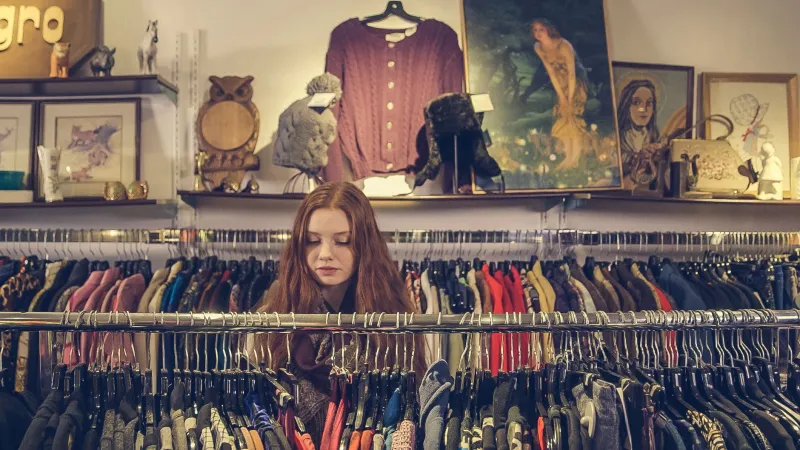
Photo by Photo by Alyssa Strohmann on Unsplash on Unsplash
Let me set the scene: it was the first of the month, my closet was overflowing, and I still couldn't put together an outfit I liked. That's the moment I decided to run an experiment on myself. For thirty days, I would dress exclusively from ten items — not counting underwear, workout clothes, or a weather-proof coat for the truly gross days.
Ten items. Thirty days. One very curious version of me. Here's how it went.
The Rules I Set for Myself
First, the fine print. My ten: two pairs of pants (one denim, one tailored), three tops, one knit layer, one button-down, one dress, one pair of sneakers, and one pair of loafers. Everything had to mix and match with at least three other pieces — that was non-negotiable, or the math falls apart.
No shopping for new clothes during the month. Accessories, outerwear for weather, and my trusty tote didn't count toward the ten. If a piece got ruined, I could replace it with something similar, not upgrade it.
Week One: The Honeymoon Phase
The first week was weirdly liberating. Getting dressed took under two minutes. I'd stand at my tiny rack of ten things, pick a combination, done. I'd forgotten how much mental energy I'd been spending on outfits — and how nice it was to spend that energy on literally anything else.
I also noticed something I didn't expect: I looked more put-together. With fewer pieces, every outfit felt deliberate. The tailored pants stopped being 'for special occasions' and became just... pants I wore. Fancy clothes stopped gathering dust.
Week Two: The Wall
Then came the slump. Day ten, I was bored of my own wardrobe. I caught myself scrolling online stores at lunch, telling myself I needed a new sweater. This is when the experiment got interesting, because it exposed my actual habit: when I'm bored or stressed, I shop for a quick hit of novelty.
Instead of buying, I got creative. I started styling the button-down open over the dress. Knotting the tee. Tucking, layering, rolling sleeves. Turns out the constraint wasn't limiting my style — my endless options were. With fewer pieces, I actually paid attention to proportion, texture, and detail instead of just acquiring my way out of boredom.
Weeks Three and Four: The Reset
By the final stretch, something had settled. I knew exactly what each piece could do. I did laundry on a schedule instead of panic-washing things. And when the month ended, I went back to my full closet and — no exaggeration — pulled out two garbage bags of stuff I realized I'd never missed.
The budget part: I spent $0 on clothes in thirty days. Previous months? Let's not talk about it. But more valuable than the savings was the clarity. Now, months later, I only buy something if it works with my core pieces, not instead of them.
Want to Try Your Own 30-Day Experiment?
Here's the framework:
- Pick your number. Ten is a good challenge; fifteen is gentler. Count underwear, weather gear, and workout clothes as freebies.
- Build around one anchor. Choose pants or a dress you love, then add pieces that pair with at least three others.
- Write down your triggers. Notice when you want to shop. Bored? Stressed? That awareness outlasts the experiment.
- Keep a combinations list. On day twenty, when you think you've run out of ideas, this list saves you.
- Do a closet audit on day 31. Whatever you didn't miss during the month is a strong candidate for donation.
You don't have to become a minimalist forever. Think of it as a data-gathering mission on your own habits. Worst case, you learn your closet works harder than you thought. Best case, you come out with a wardrobe — and a budget — that finally make sense.